
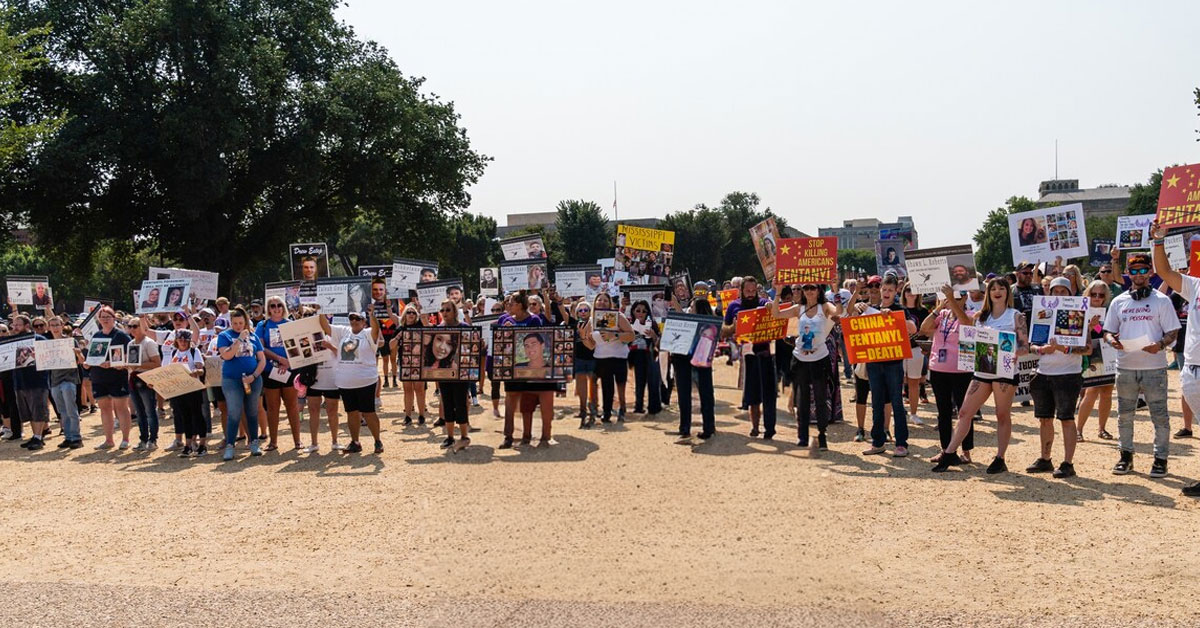
As a parent navigating the heart-wrenching reality of losing my daughter, Cory, to a fentanyl-related homicide, I find myself in a unique position among the founding members of the Not an Accident Campaign. I am the only one whose case does not include a legal judgment identifying the person responsible for Cory’s death.
Yet my situation is not unusual. It is, in fact, typical of what most grieving parents face in these circumstances. In fentanyl-related deaths, the responsible person is seldom—if ever—identified, and prosecution is rare. In that sense, my experience mirrors that of countless other parents who find themselves engulfed by the loss of a child, with little expectation that justice will ever be achieved.
The legislation that advocates have tirelessly worked to pass does not directly address my circumstances. If this legislation is enacted, the legal process I must undertake to amend my daughter’s death certificate will remain unchanged. I will still need to go to court and convince a judge that the coroner’s opinion is inaccurate, advocating for a revision of her death certificate. While I understand that the likelihood of success in such cases is often slim, I am determined to pursue this path. Even if I prevail, the original death certificate will remain on file, accompanied by the revised document. This reality weighs heavily on many parents, me included.
Despite these challenges, I believe that the passage of this legislation could significantly increase the chances of changing our children’s death certificates. Here’s why this legislation matters, not just for me but for all parents dealing with this heartbreaking loss:
Recognition of Homicides: Many coroners and medical examiners refuse to classify our children’s deaths accurately as homicides, often for self-serving reasons. This legislation aims to change that narrative, as it will highlight the need for proper classification.
Removing Bias: By focusing on cases that have already been ruled as homicides in court, this legislation will bypass the questionable decision-making processes of coroners and medical examiners, leading to more accurate classifications.
Opening Doors for Future Legislation: The passage of this bill may pave the way for future legislation that addresses our children’s cases more directly, creating a more robust framework for justice.
Promoting Investigations: Misclassifying these tragic deaths as “accidents” often hampers thorough investigations. This legislation aims to shine a light on the need for more aggressive and comprehensive investigations and prosecutions.
Message for Change: It sends a powerful message that we, as a community, demand change—changes that should have been implemented by coroners and medical examiners long ago.
Improving Data Accuracy: Accurately classifying our children’s deaths will correct significant gaps in data collection, influencing policy and funding at local, state, and national levels. This, in turn, can lead to a more effective response to the ongoing crises of impaired driving and opioid-related deaths.
Starting Structural Change: This legislation can act as a catalyst for structural changes that have historically placed blame on the victims of drug overdoses, allowing those responsible for these deaths to evade accountability.
In sharing this journey, I want to emphasize that while the road to justice is fraught with challenges, each step taken is a step toward change. I hope that by advocating for this legislation, we can create a more compassionate and effective response to the tragedies that have befallen so many families. Together, we can honor our children’s memories and work towards a future where no parent has to endure the pain of losing a child to preventable tragedies. This is where we start to get justice for our children.

By Larry Hatfield
Victim Advocate
Research Specialist